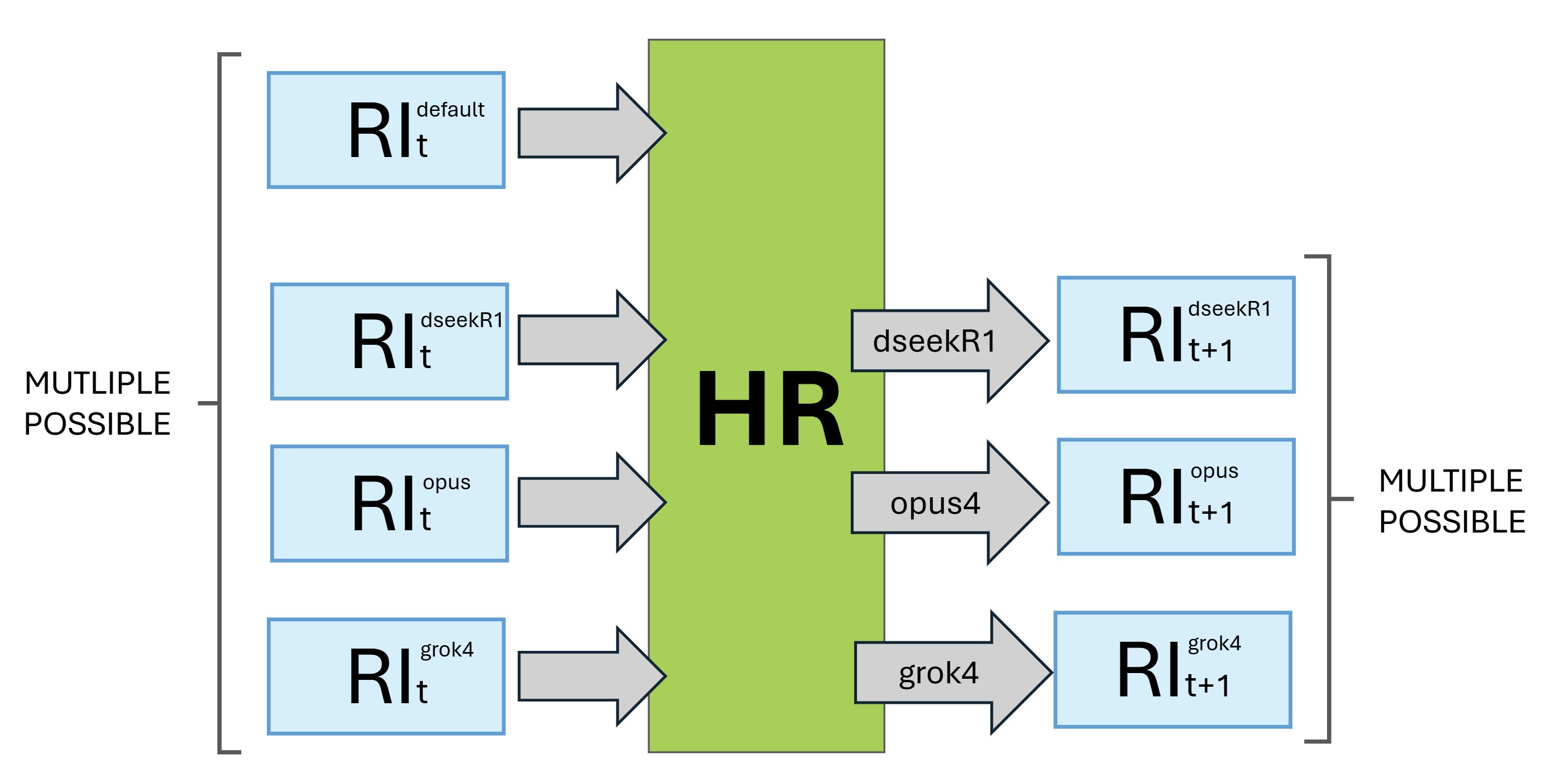
HAPO: Hyper-reflection for Automatic Prompt Optimization
An improvement of GEPA (automatic prompt optimization) through "hyper-reflection", enabling compact LLMs to achieve performance closer to frontier models on complex tasks like SQL query equivalence generation and refutation.
Preparing submission for IJCAI-2026 with Dr. Xifeng Yan.
DBDoctor: LLM-Aided SMT Refutation of SQL Query Equivalence
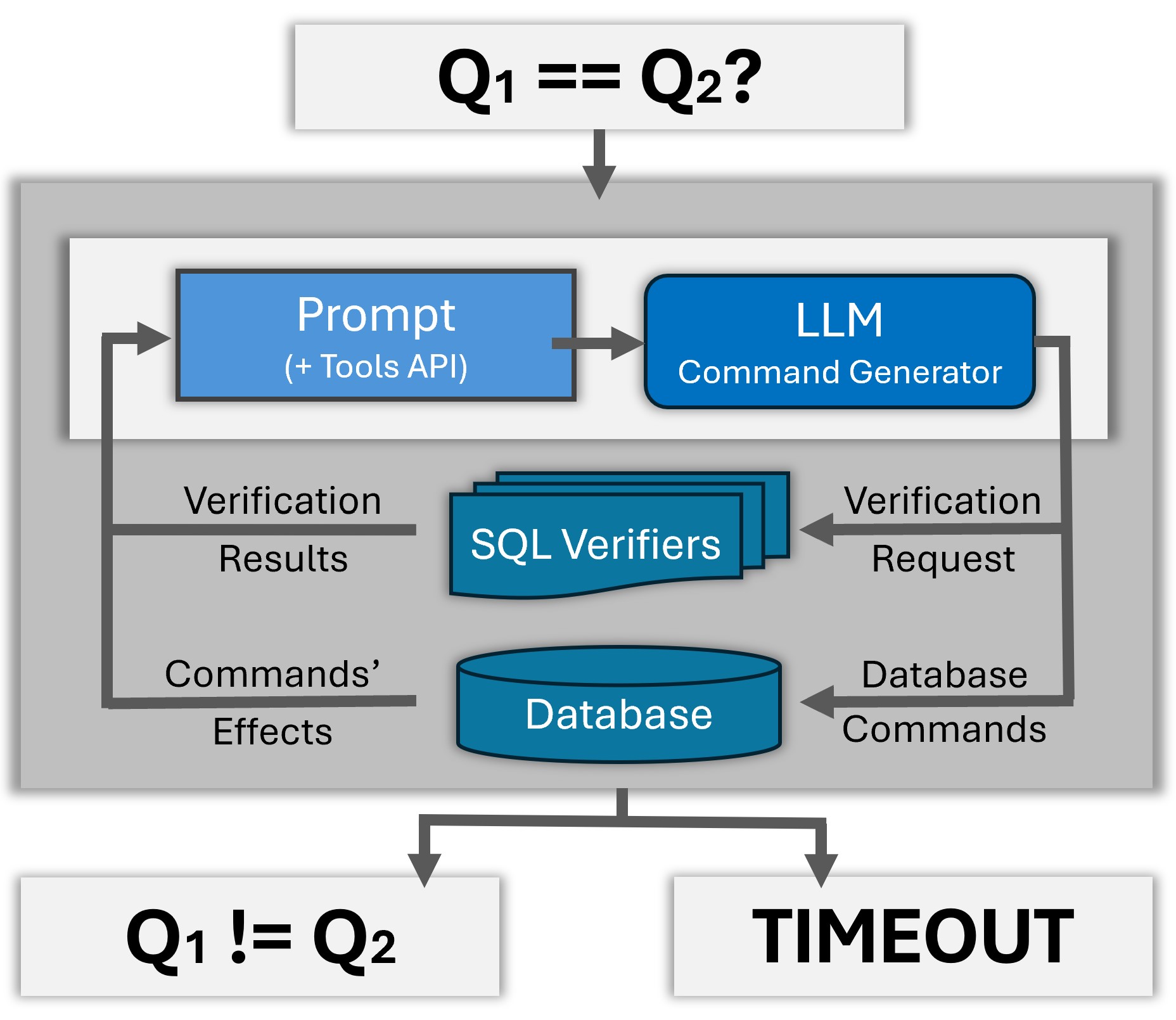
DBDoctor uses LLMs to propose counterexamples and rewrite queries into SMT-friendly forms, dramatically reducing the rate of "unsupported" query pairs from 100% to 1% and successfully refuting 47% of previously unverifiable cases.
Preparing submission for CAV-2026 with Dr. Xifeng Yan.
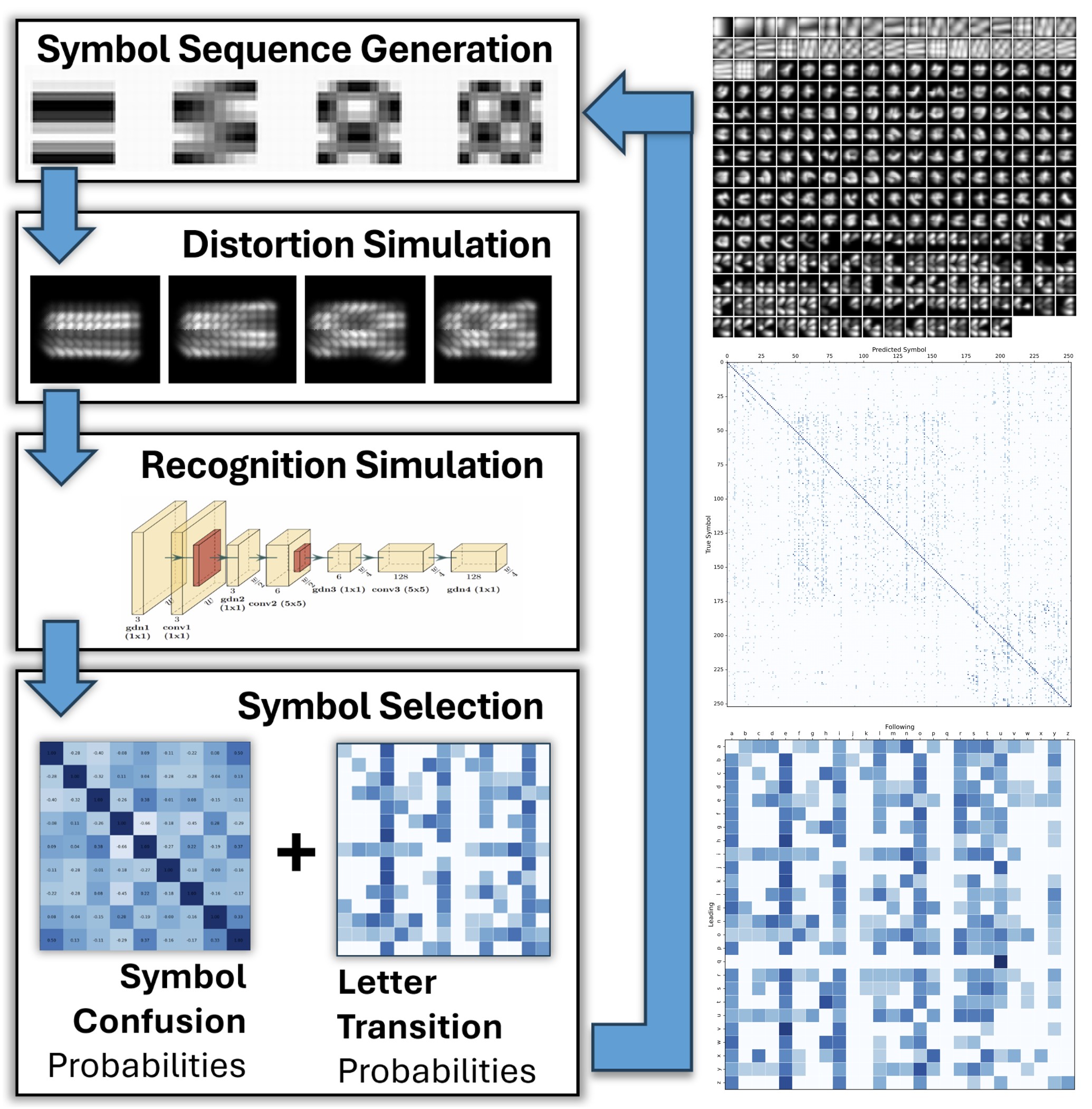
SymbolSight: Robust Symbols for Retinal Implants
A research project optimizing visual symbol sets for patients with retinal implants. By analyzing confusion matrices over simulated letter recognition using the pulse2percept framework, SymbolSight derives symbol sets that remain distinguishable even under the severe distortions introduced by low-resolution prosthetic vision.
Voted #1 out of 16 projects in the graduate Bionic Vision course. Preparing submission for IEEE EMBC-2026 with Dr. Michael Beyeler.
NutriGNN: Food Nutrient Prediction with GNNs
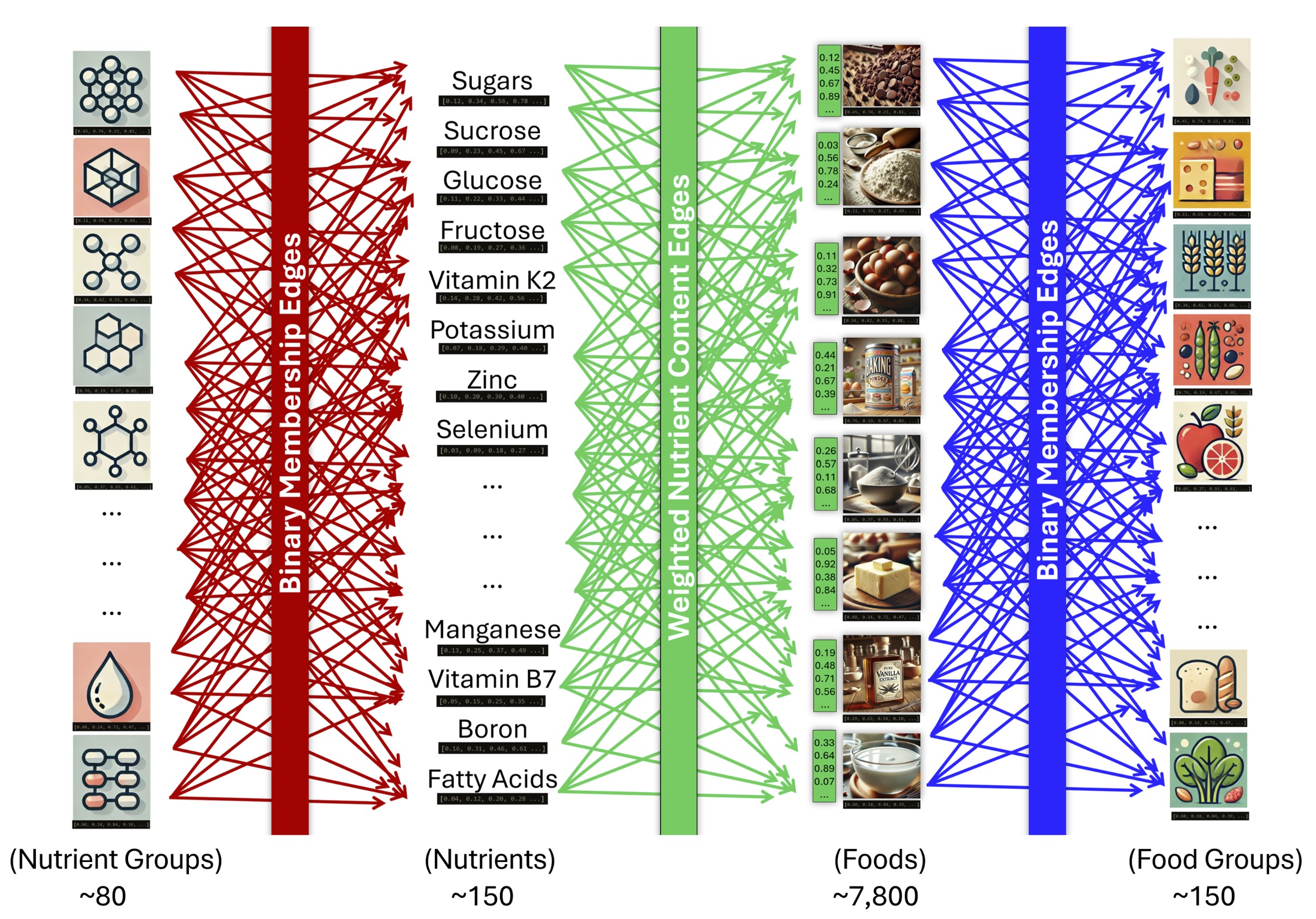
A graph neural network approach to predicting missing nutrient values in food composition databases. By building a knowledge graph enriched with LLM-derived semantic relations between foods, NutriGNN improves representation learning and prediction quality, especially for low-resource food items with sparse nutritional data.
Developed for a graduate course on Graphs and GNNs with Dr. Ambuj K. Singh.
SnipDue: Never Miss Another Deadline
A deadline import tool with near universal support for all the ways to represent a schedule. Our tool uses Claude 3.5 Sonnet and works with Google Calendar, Apple Calendar, Outlook, and any iCal-compatible app.
Built at SBHacks XI with my partner Samantha Lesner, our project won the "Best Use of GenAI Award" out of 221 hackathon participants.
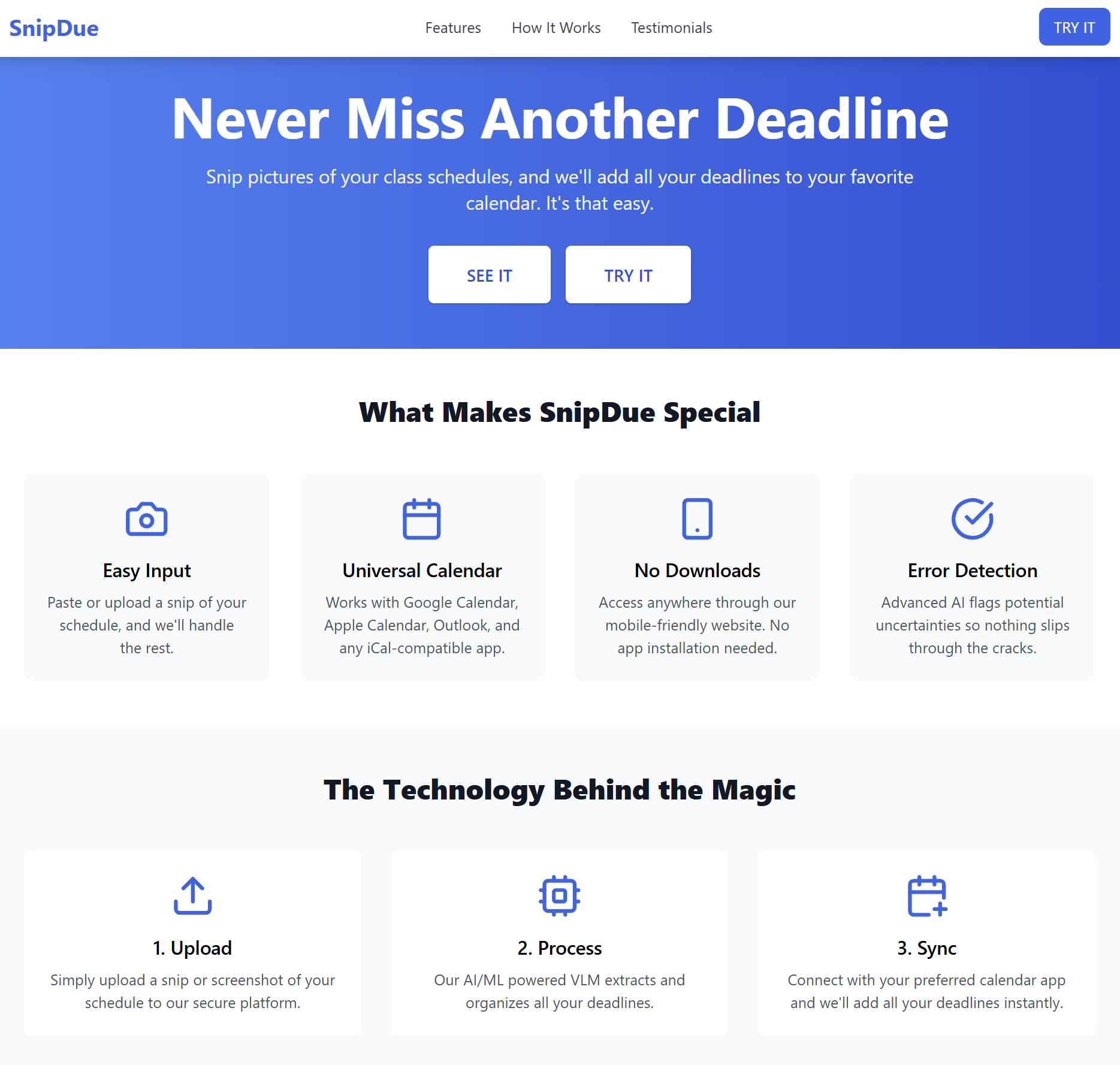
SnipDue is live and running 24/7!
Explainable AI Requirements: A Comparative Study of Repetitive and Unique Decision Contexts
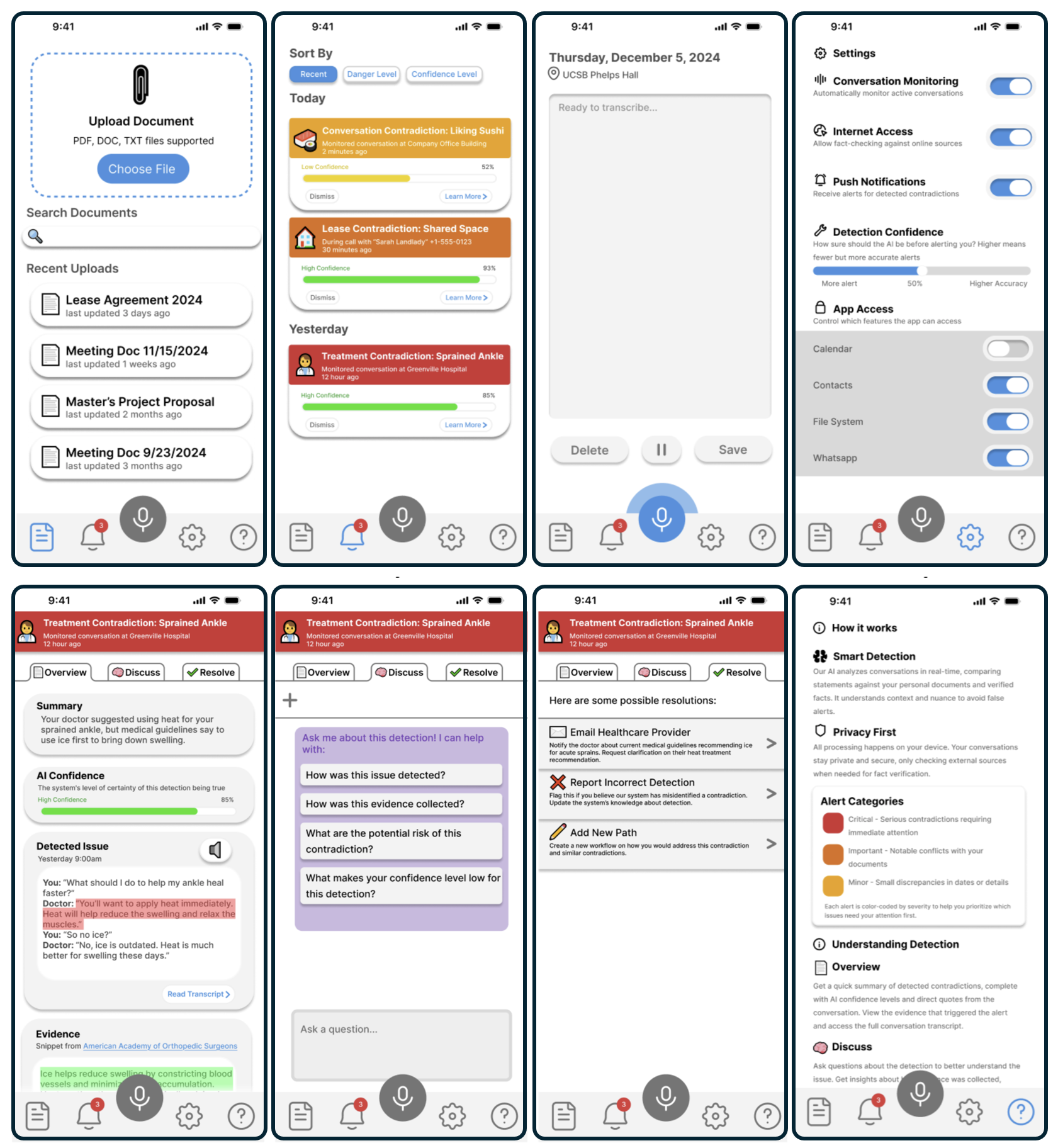
We designed and tested two Explainable AI (XAI) prototypes with four groups of participants. My partner, Kay Krachenfels, created the "Commerce Moderator," while I developed the "Communication Monitor."
Zero-Shot Document Ranking Using LLMs: Replication and Improvements
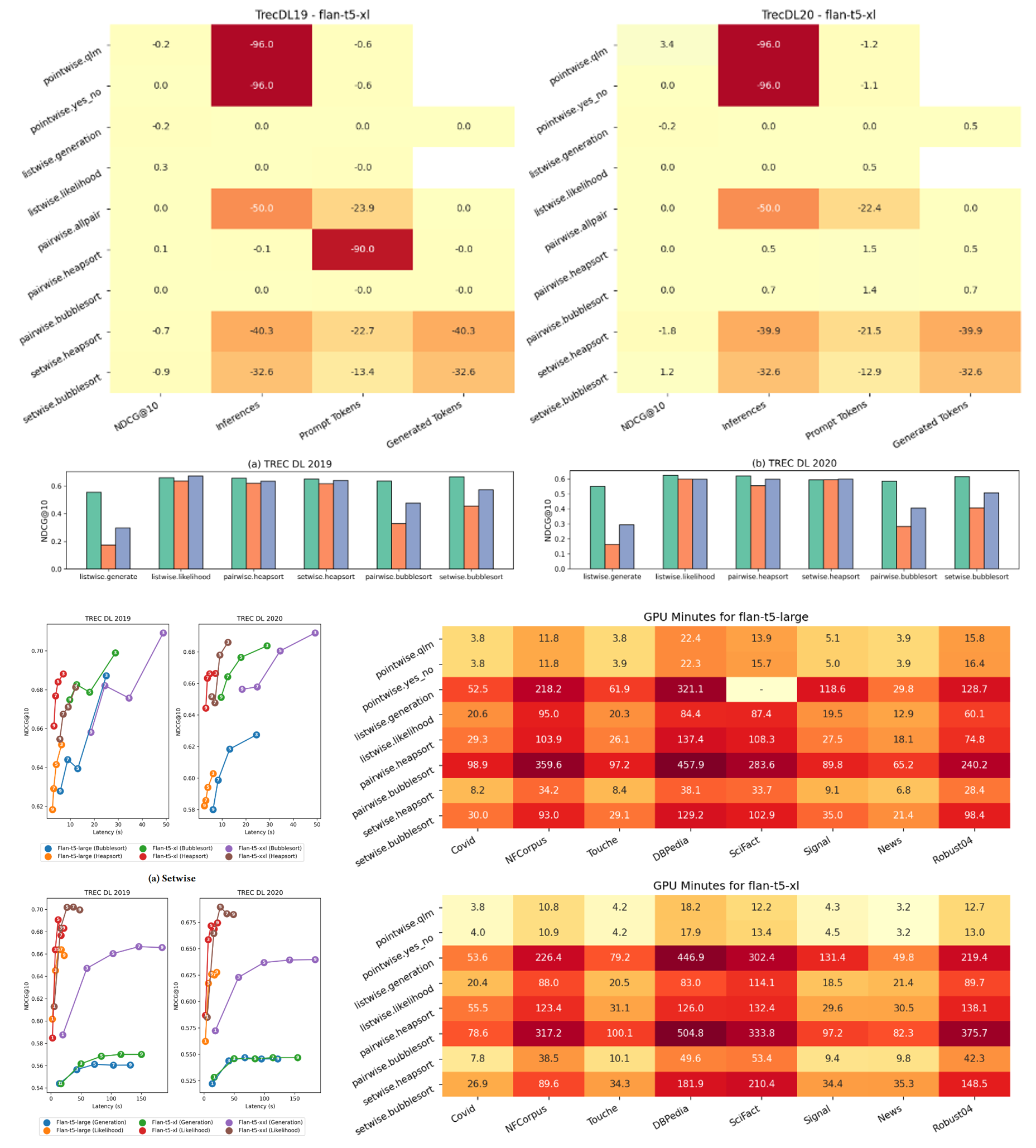
My partner, Mehak Dhaliwal, and I conducted a study replicating and enhancing recent advancements in zero-shot document ranking using Large Language Models (LLMs).
Embedding Vector Augmentation of USDA's Food Nutrient Imputation
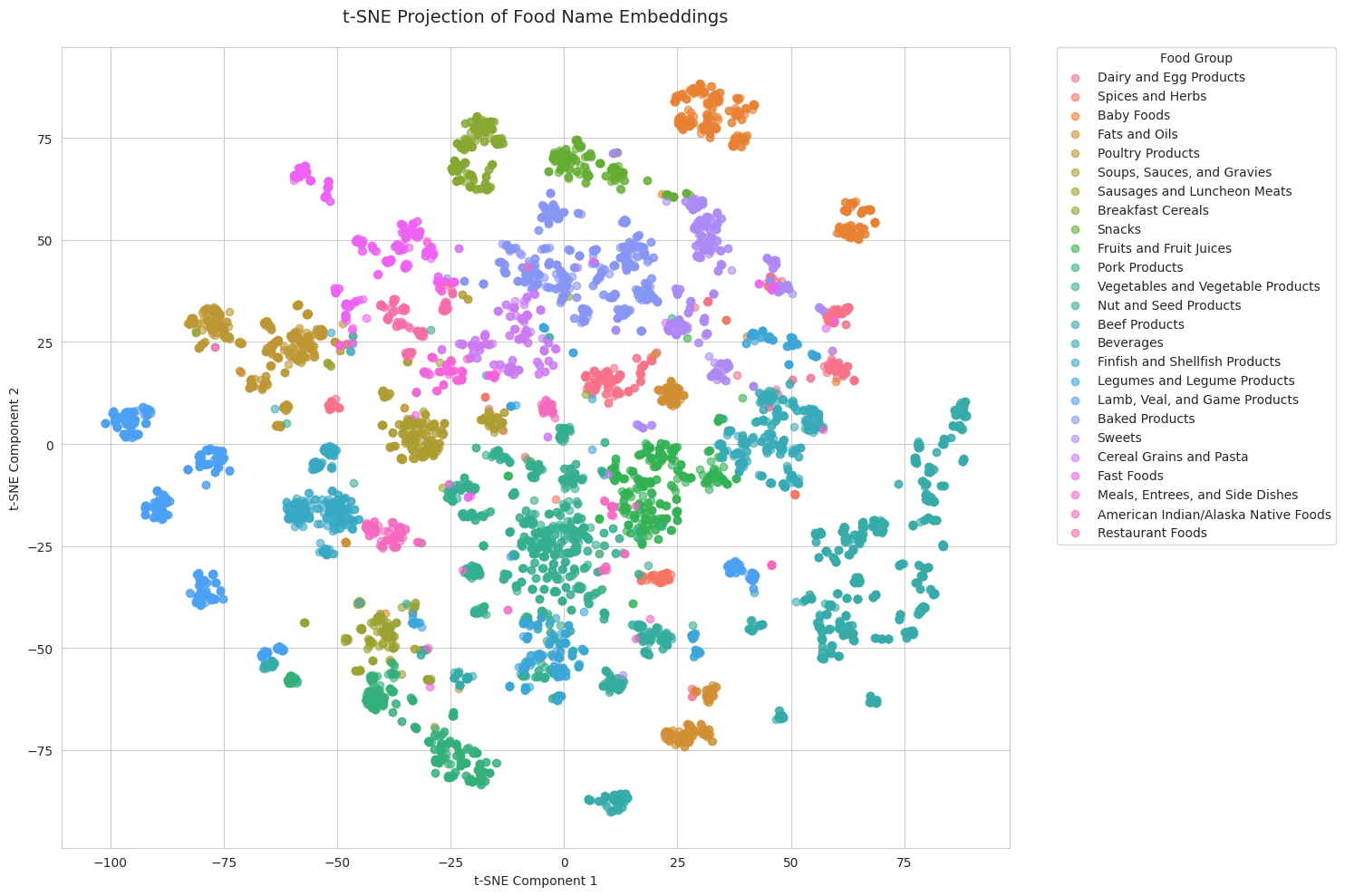
For a Statistical Machine Learning graduate course, I selected USDA's food nutrition dataset and chose to explore whether OpenAI's LLM technology can enhance estimates of food nutrition. This research effort was motivated by personal health interests.
Seeking a food nutrition expert to review and help guide this research further.
AI Personalized Teaching Fiction (AIPTF)
This solo summer project stemmed from my goal to make AIPIF faster and more cost-efficient. Along the way, I developed stories to teach children specific life lessons. Each story includes a quiz at the end to encourage critical thinking and tracks correct and incorrect answers. While AIPTF keeps the original AIPIF interface, I re-implemented the back-end using Javascript Cloudflare functions.
AIPTF is live and running 24/7!
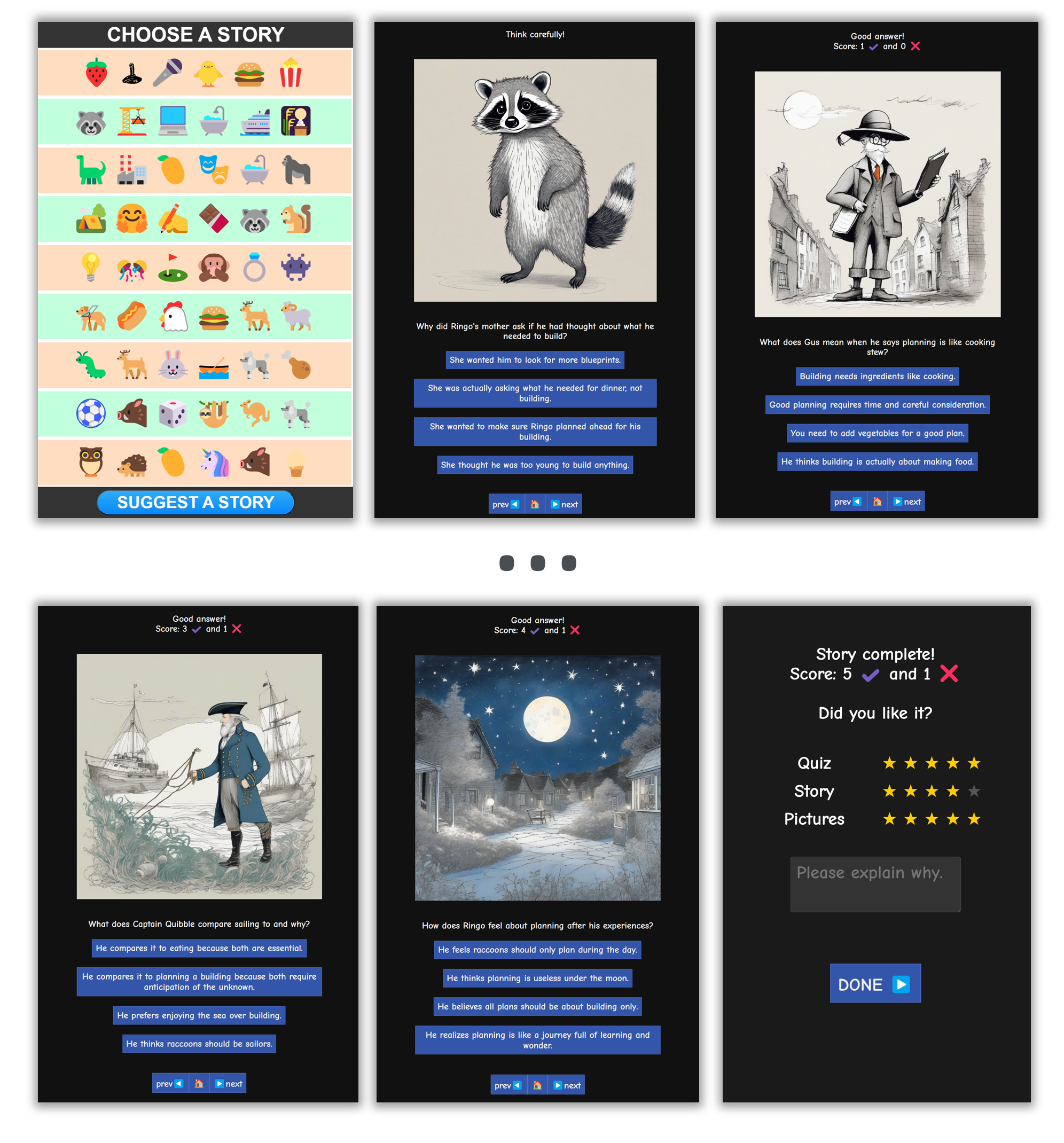 TIP: Click on emojis to reveal images.
AI Personalized Interactive Fiction (AIPIF)
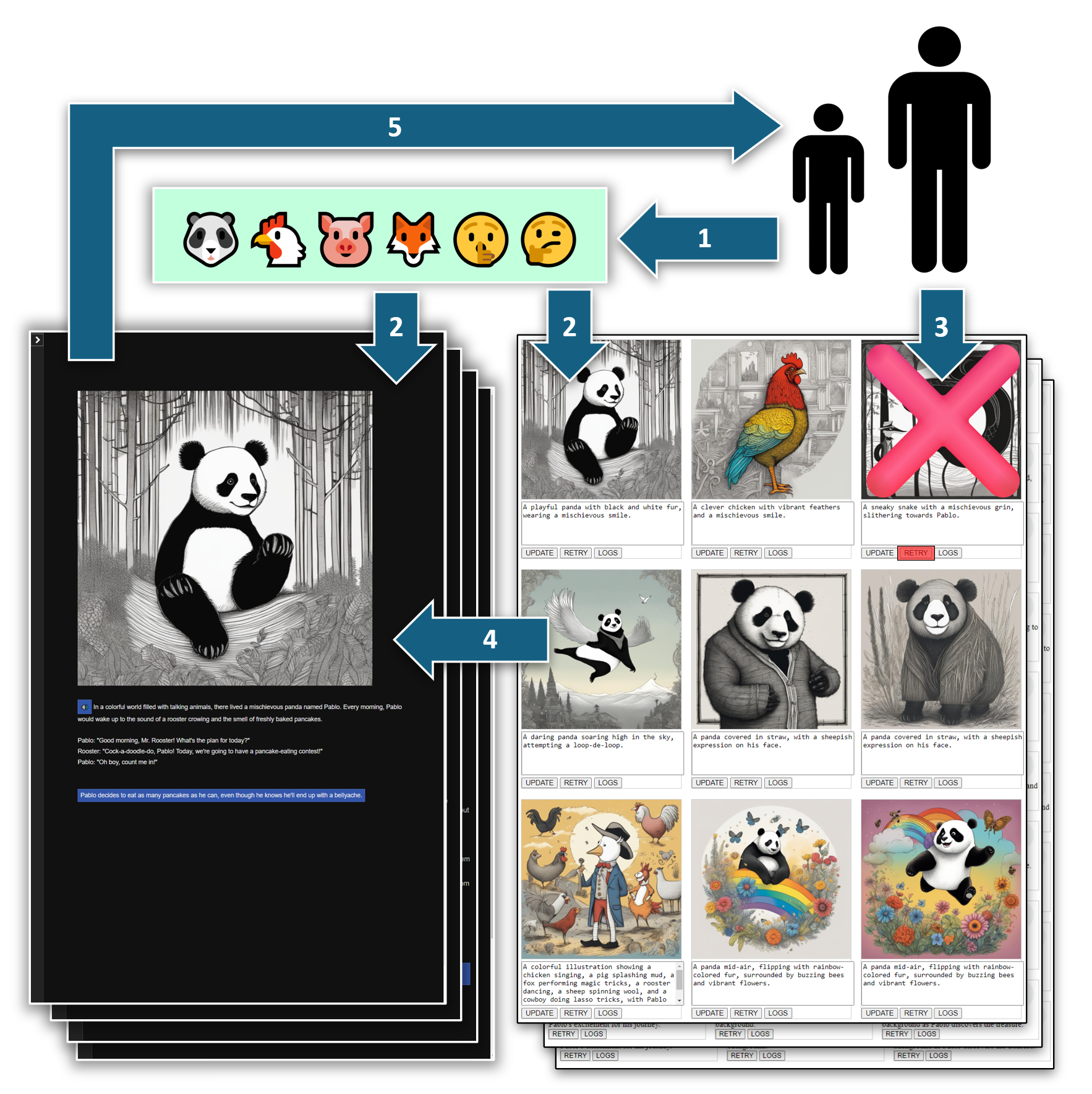
AIPIF began with three partners in Dr. Daniel Shapiro's CMPM146: Game AI course and with his mentorship, we refined the project and showcased it at ECAI-2024 and PAIS-2024.
New AIPIF stories are disabled to manage costs. All other features are live 24/7.
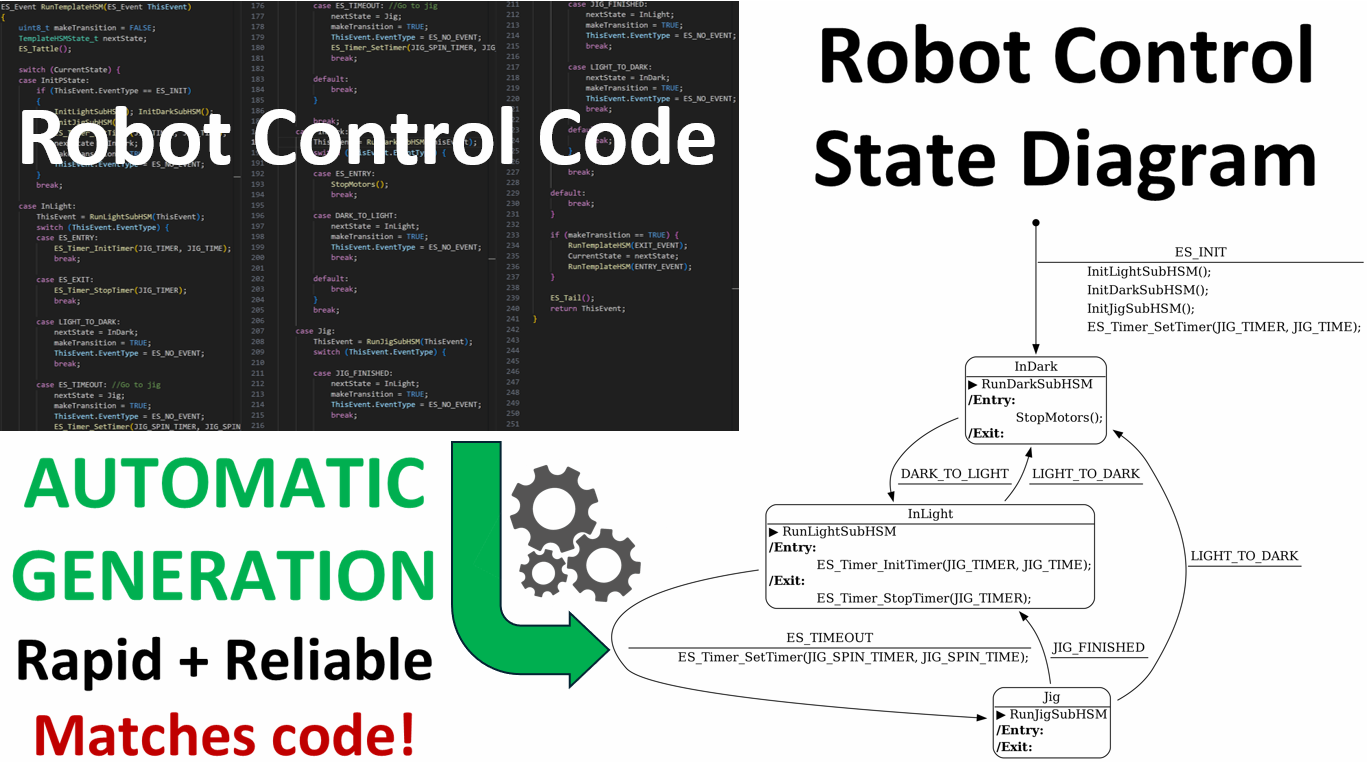
State Machine Visualizer (SMV)